
Transform Your Backyard with a Pergola: Design Ideas & Build Tips for Des Moines Homes
Pergolas add character and comfort to an outdoor space by providing partial shade and architectural interest. Whether attached to the house or freestanding in the garden, a pergola defines an area for dining, relaxation or entertaining. This post covers key considerations for designing and building a pergola in central Iowa.
Benefits of Adding a Pergola
Create shade without blocking light. Slatted rafters reduce direct sun, making patios and decks more comfortable in summer while still allowing soft, filtered light.
Define outdoor “rooms.” A pergola anchors a seating or dining area, making the backyard feel like an extension of the home.
Support climbing plants. Vines such as wisteria or clematis thrive on pergolas, providing natural shade and fragrance.
Increase property value. Stylish outdoor structures appeal to buyers seeking functional outdoor space.
Material Choices & Style Considerations
Wood: Cedar and redwood are classic choices. They offer natural beauty and can be stained to match deck boards. Cedar resists insects and rot but still requires periodic sealing.
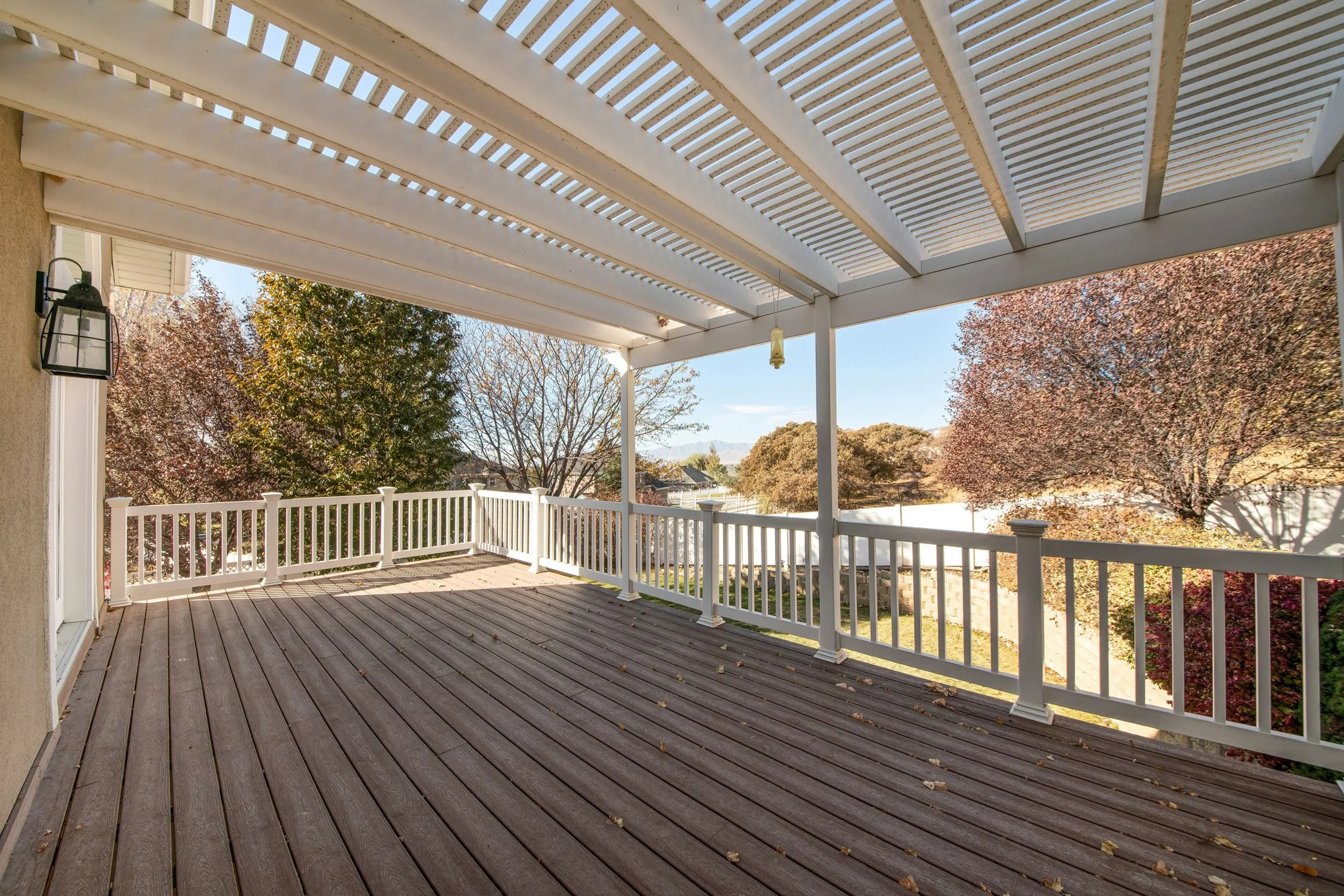
Vinyl or PVC: Low‑maintenance and available in white or off‑white hues. Vinyl pergolas suit modern homes and pair well with composite decks.
Aluminum: Lightweight and rust‑resistant, aluminum can mimic the look of wood with powder‑coat finishes.
Custom details: Consider adding lattice panels, corbel ends, or integrated lighting and fans for extra ambiance. Decorative purlins, curved braces and columns can match your home’s architectural style.
Designing for Central Iowa’s Climate
Snow load: Ensure rafters and beams are sized to carry winter snow. Proper footing depth (below frost line) prevents shifting.
Wind resistance: Use hurricane clips or metal hardware to secure rafters and posts. Freestanding pergolas should be anchored with buried footings or concrete piers.
Sun orientation: Position the pergola to block harsh western sun or frame views of the yard. Adjustable canopies or shade sails offer additional flexibility.
Installation Steps
Planning & Permits: Check local building codes—Des Moines and Urbandale often require permits for structures over a certain size. Obtain HOA approval if necessary.
Layout & Footings: Mark the footprint, dig post holes below frost depth (typically 42 inches in Iowa), and pour concrete footings with embedded post bases.
Install Posts & Beams: Set vertical posts plumb, then attach beams using structural screws or bolts. Use a level to keep the frame square.
Add Rafters & Purlins: Space rafters evenly, typically 12–18 inches apart. Overhang ends for a decorative look. Install purlins perpendicular to rafters for additional shade.
Finishing Touches: Sand rough edges, apply stain or paint if using wood, and consider adding string lights, ceiling fans or retractable canopies.
Incorporating a Pergola with Your Deck
For homes that already have a deck, a pergola can be attached to the house and extend over part of the deck. Coordinating materials such as composite decking with a vinyl or powder-coated aluminum pergola creates a modern, low-maintenance outdoor space. If your deck is elevated, it’s important that pergola posts are properly integrated into the deck framing for long-term stability.
If your existing deck needs an upgrade or you’re planning to build one from scratch, our team also specializes in custom deck construction in Des Moines to ensure your pergola and deck work seamlessly together. Dunlap’s carpenters design cohesive deck and pergola systems tailored to your home, layout, and lifestyle.
Conclusion & Call to Action
A pergola enhances outdoor living by providing shade, style and structure. When designed with local weather and aesthetics in mind, it becomes a long‑lasting feature that draws friends and family outside. Contact Dunlap for expert pergola design and installation in Des Moines, Urbandale and surrounding communities. We’ll help you create a backyard retreat that reflects your lifestyle.
