
7 Reasons to Upgrade to a Composite Deck in Des Moines
Introduction
Homeowners in central Iowa love their outdoor living space, but maintaining a traditional wooden deck can be time‑consuming. Composite decking—boards made from a blend of recycled wood fibers and plastic—has become popular because it looks like wood without the upkeep. This article explores the top reasons to upgrade from a wood deck to a composite deck in the Des Moines area.
1. Superior Durability in Iowa’s Climate
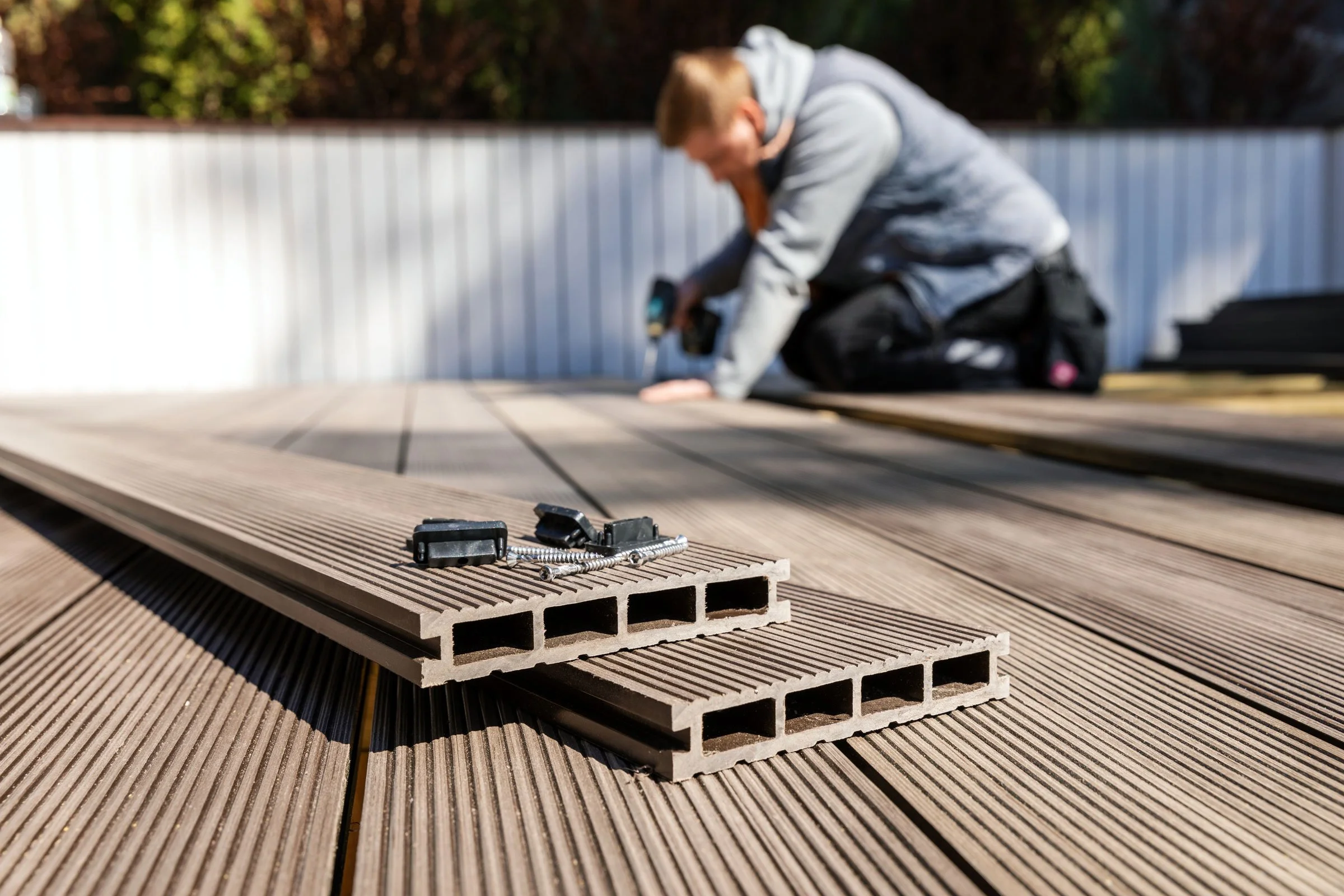
Composite boards are engineered to withstand the extreme temperatures, humidity swings and UV exposure common in the Midwest. Unlike wood, composites won’t rot, warp or splinter. The boards are capped with a polymer shell that resists moisture intrusion, making them ideal for decks, docks and pool surrounds.
2. Little to No Maintenance
Where wood decks require annual sealing, staining or painting, composite decks need only occasional washing. A simple mix of soap and water or a hose removes dirt and pollen. No more weekends spent sanding or refinishing—freeing homeowners to enjoy their space instead of maintaining it.
3. Long‑Term Cost Effectiveness
Composite materials cost more up front than pressure‑treated pine, but the maintenance savings and longer lifespan make them cost effective over time. Break down the costs: the initial installation of a composite deck might be 30–50 % more than wood, but there are no recurring expenses for stain, sealers or replacement boards. Over 10–15 years, a composite deck often works out cheaper.
4. Enhanced Curb Appeal and Customization
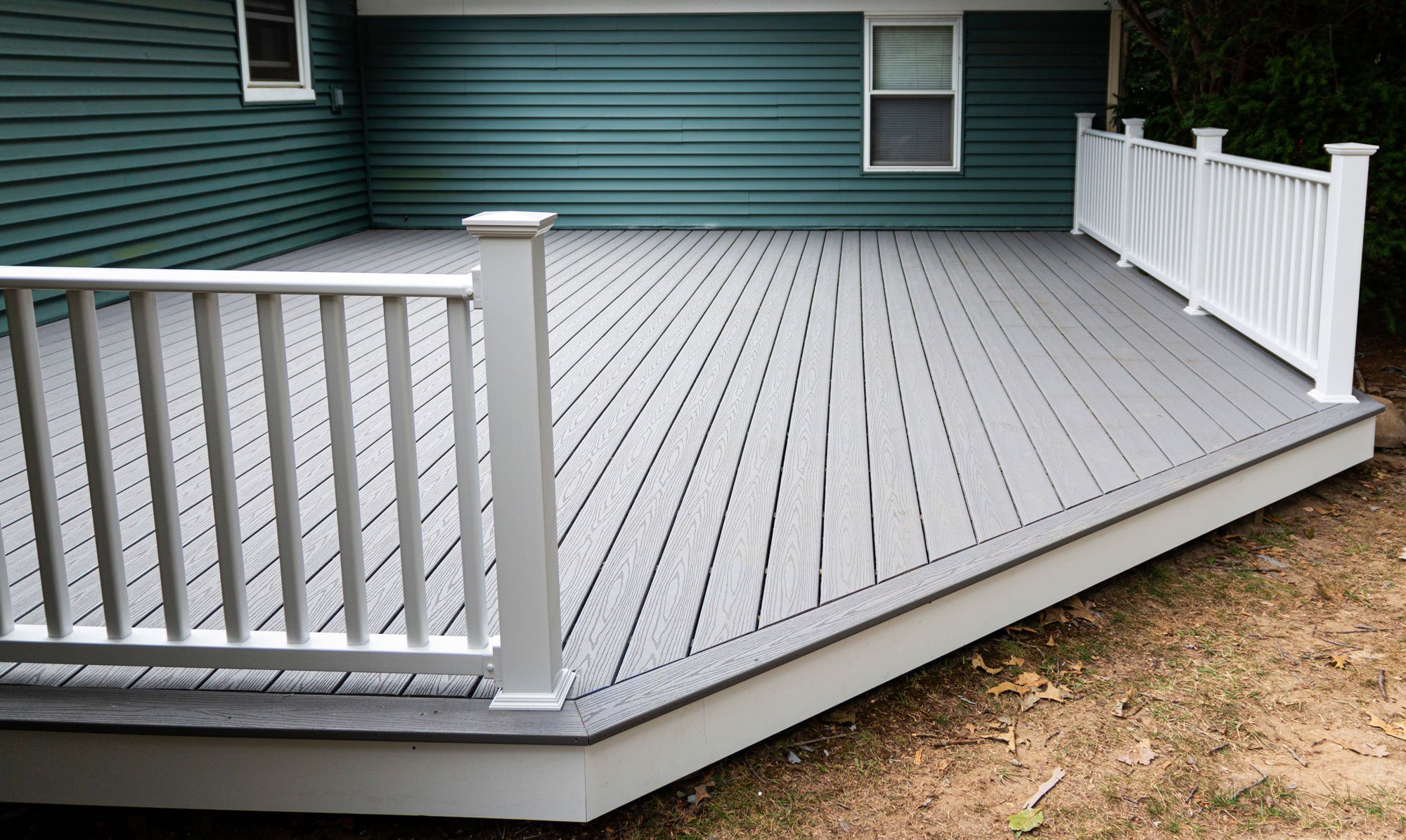
Modern composite lines come in dozens of colors and grain patterns—from warm browns to contemporary grays. Some brands offer boards with subtle variegation that mimic exotic hardwoods. Matching railings, fascia and hidden fasteners give a clean finish. For Des Moines homeowners prepping for resale, a beautiful composite deck boosts curb appeal and can increase property value.
5. Eco‑Friendly Materials
Most composites are made with recycled plastics and reclaimed wood waste. Choosing composite decking helps divert waste from landfills and reduces the need for harvesting new lumber. Many manufacturers are certified by environmental programs; you can highlight these certifications in your marketing.
6. Safe and Comfortable Underfoot
Composite boards remain splinter‑free and cooler than many traditional materials. They have slip‑resistant textures—an important safety feature for families with children or pets. When combined with hidden fastener systems, they provide a smooth walking surface with no exposed nails or screws.
7. Extended Warranties and Peace of Mind
Most major brands offer warranties of 25 years or more against fading, staining and structural defects. Homeowners can rest easy knowing their investment is protected. Working with a professional deck builder ensures the installation meets manufacturer guidelines so the warranty remains valid.
Building codes & permits: Des Moines requires permits for decks over a certain height or attached to the home. Partnering with a licensed contractor, such as Dunlap, simplifies the process.
Material availability: Composite boards are widely stocked in Iowa. Dunlap can help homeowners select the best brand and color for their design vision.
Climate adaptation: Emphasize that composites handle heavy snow and ice better than untreated wood. Regular snow removal and proper ventilation will prolong any deck’s life.
A composite deck offers durability, beauty and low maintenance for busy Iowa families. Dunlap’s experienced team guides clients through design, material selection and installation. Ready to upgrade your backyard? Contact Dunlap today to schedule a free consultation and discover how a composite deck can transform your outdoor living space.
