
The Death of the Open Concept? Why Des Moines Homeowners are Moving Toward “Zoned” Kitchens in 2026
For the last decade, the goal of every major home renovation was simple: knock down every wall possible. But as we move into 2026, the trend of the "massive open box" is fading. Homeowners in Urbandale and Des Moines are finding that while open plans look great in photos, they can be a challenge to live in. Between the noise of the dishwasher competing with the TV and the sight of messy prep counters from the front door, the "open concept" is getting a much-needed reality check.
The solution? The Zoned Kitchen. This design keeps the feeling of connection but uses "broken-plan" elements—like partial walls, cased openings, or pocket doors—to create intentional areas for cooking, lounging, and dining.
The Foundations of a Zoned Kitchen
Transitioning away from a wide-open floor plan isn't just about putting walls back up; it’s about making the room work harder for your family.
Prioritize Floor Tile Durability: In a zoned kitchen, the floor often acts as the visual bridge between spaces. Because these "zones" (like the prep station vs. the coffee bar) see heavy foot traffic, we prioritize floor tile durability by recommending high-density porcelain or natural stone. These materials handle the spills of a busy kitchen while looking elegant enough to transition into a dining or living area.
Create Visual Boundaries: Instead of one giant island, 2026 is seeing a rise in "social prep tables" or slim consoles that define the kitchen’s edge without closing it off entirely.
The "Unseen" Side of Remodeling: Permits and Logistics
When you decide to move away from an open concept—or if you’re looking to open things up just a little bit more—the structure of your home becomes the main character.
One of the most frequent questions we hear is: Does a kitchen remodel require a permit? In the Des Moines metro area, the answer is almost always yes. Because kitchens involve complex electrical, plumbing, and often structural changes (especially if you are adding or moving walls to create new zones), the city requires inspections to ensure everything is up to safety codes.
At Dunlap Remodeling, we manage the entire process of securing permits for a kitchen remodel. This includes:
Structural Reviews: Ensuring any wall being moved or added doesn't compromise the home's integrity.
Code Compliance: Ensuring your new "zones" have the correct number of outlets and proper ventilation.
Safety Inspections: Bringing in local officials to sign off on the work, which protects your home’s resale value and insurance.
Why Choose a Zoned Layout?
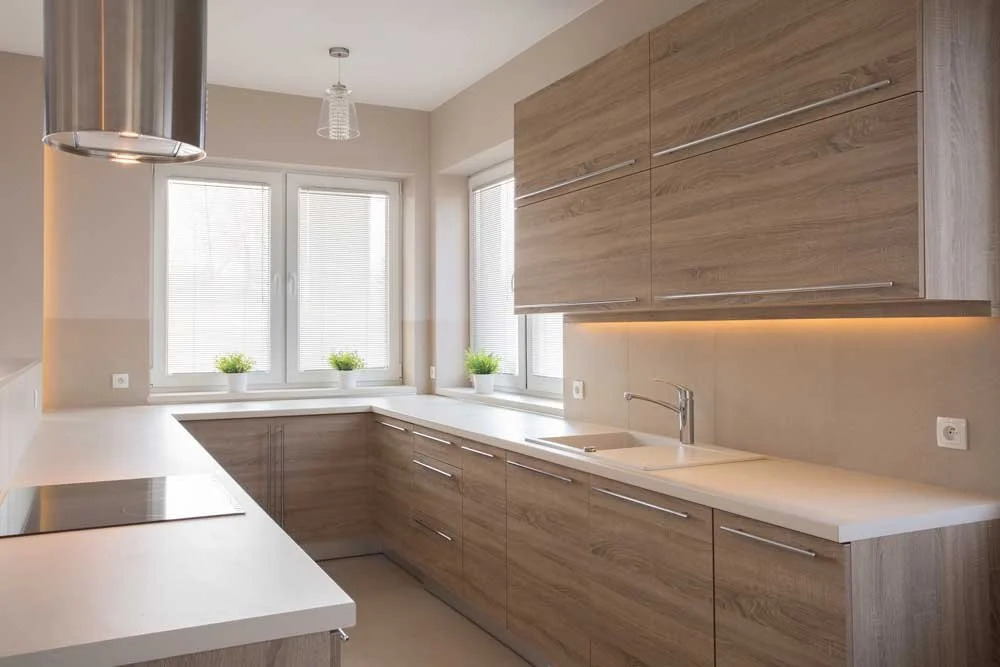
By moving toward a zoned approach, you gain the best of both worlds: the light of an open plan with the organization of a traditional home. You get more wall space for cabinetry, better sound control, and—most importantly—a kitchen that feels like an intentional retreat rather than an exposed workspace.
Ready to rethink your layout? Whether you want to refine your open concept or create a brand-new zoned masterpiece, our team is here to handle the design, the heavy lifting, and the paperwork.
View our Kitchen Remodeling Services or Contact Us Today to start your 2026 kitchen transformation.
